Earthenware sculpture expresses a extraordinary expression version with a expansive background, traveling back thousands of ages. From ancient pots to contemporary setups, the resource offers incomparable possibilities for creative performance. Creators use wide-ranging techniques – including fabricating, wheel shaping, and developed firing processes – to craft humble earth into captivating three-dimensional artifacts. The durability of fired clay also contributes to its status as a truly enduring part of human legacy.
Researching Ceramic Panel Arrangements and Practices
The sector of ceramic plaque design offers a wide array of imaginative possibilities. Artisans often exercise a assortment of established and modern techniques to produce visually beautiful pieces. These can cover from simple, engraved reliefs to complex, multi-layered designs. Typical methods include pattern casting, manual forming, enameling – which can involve different techniques like painting before firing, top glaze design, and incised illustration where designs are highlighted by excavating a layer of shell. Expanded research into exterior stylings such as thermal treatment and pearlescent coating can offer truly uncommon and exclusive porcelain markers.
- Form Casting - Forming pieces using a shaped form
- Hand Building - Directly shaping the mud
- Surface Finishing - Layering the layer with a glossy finish
- Incised pattern - Exposing designs by removing surfaces
Entrancing Experiences: Porcelain Art Exhibits
The evolving landscape of culture presents exciting cutting-edge avenues for participants, and ceramic art installations are at the forefront of this progression. These aren't just static works; they are crafted to envelop the guest in a sensory surrounding. Imagine passing through a forest of towering, glazed ceramic trees, or navigating a complex of fine ceramic vessels. Many artists are now incorporating acoustics, visuals, and even smell to enhance the impression of their work. Think about the power of a room filled with hundreds of expertly ceramic works, each telling a story. Traditionally, such installations investigate themes of flora and fauna, remembrance, and the collective.
- The described installations blur the boundaries between figure and environment.
- Interacting with a ceramic art installation can be a deeply meaningful journey.
- Producers are redefining the extents of what is feasible with clay.
The Allure of the Porcelain Vase: Utility and Form
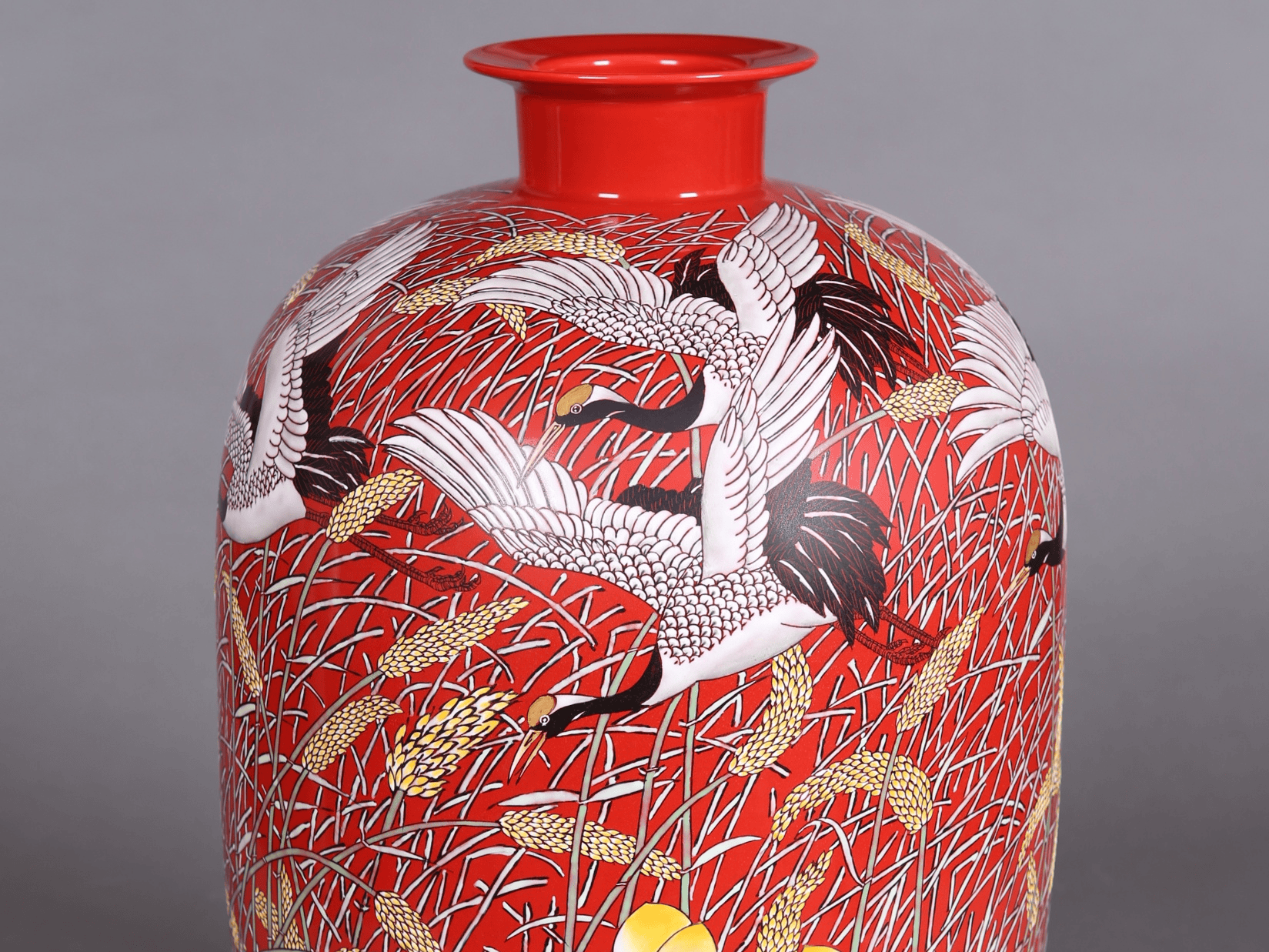
The stoneware vessel represents a admirable union of functionality and imaginative appeal. Historically, these containers served a fundamental role in supporting objects, but their development has transformed them into highly valued works of mastery. Each piece showcases the talent of the sculptor, demonstrating how form can be as essential as service. The deliberate shaping, the exceptional glazes, and the comprehensive presence of a beautifully-crafted urn can boost a space, offering both beauty and a understated reminder of the maker’s hand.
Modern Earthenware Figure : Broadening Limits
Present-day terracotta design represents a fascinating evolution from historical practices. Craftsmen are intensely experimenting with innovative processes, dissolving the frontiers between craft and other creative fields. From massive installations to complex miniature pieces, referenced works probe themes of identity while at the same time reshaping the nature of what earthenware can become. The byproduct is a active environment of expressive articulation.
Brick Badge: Keeping Annals in Brick
Brick plaques offer a singular method for noting significant events and souls. Distinguished from traditional metal or stone markers, these enduring pieces of production are formed from processed clay, creating a real link to the earlier period. One Hundred Blooms Traditionally, they exhibit intricate etchings or carefully illustrated imagery, expressing stories that might otherwise be ignored. Such technique, traceable to ancient cultures, provides a beautiful and unfading way to acknowledge our collective heritage.
- Those can be installed in communal spaces.
- Many are now recognized historical remnants.
Stoneware Art Creations: Transforming Places
Stoneware art installations are developing a significant medium for builders to transform public and private spaces. These immersive pieces frequently involve significant clay figures that surround viewers, redirecting their appreciation of the created environment. By incorporating diverse ways like manual assembly and elaborate firing ways, ceramic artists fabricate truly unique experiences, erasing the divisions between work and setting. The outcome is often a touching shift that strengthens the decorative quality of the area and stimulates conversation.
Genesis Spinning Device to Awe: The Skill of the Brick Urn
The journey of a brick urn from a simple lump of terracotta to a refined work of production is a testament to human inventiveness. Classicall, the process initiates with the potter’s circular platform, where the adept artisan creates the turning dirt into a cylindrical form. This initial step demands skilfulness and a trained eye, followed by a delicate solidifying period. Once rough-fired, the vessel is ready for ornamentation, which may comprise glazing intricate ornaments, fashioning detailed imagery, or employing a multitude of finishes. The terminal kiln firing process then alters the creation into a durable and pleasing vase, a tangible manifestation of the artist's passion.
Pottery with Pottery: A Primer to Ceramic Craft
Investigating the area of brick craft begins with knowing the foundations of fashioning with brick. The technique demands attentively constructing and subtracting substance to construct three-dimensional items. Regardless of you're a apprentice or a accomplished designer, working with different kinds of ceramic material – including terracotta – will aid you detect your personal signature. At last, porcelain shaping is a worthwhile quest that merges dexterous mastery with inspired exhibition.