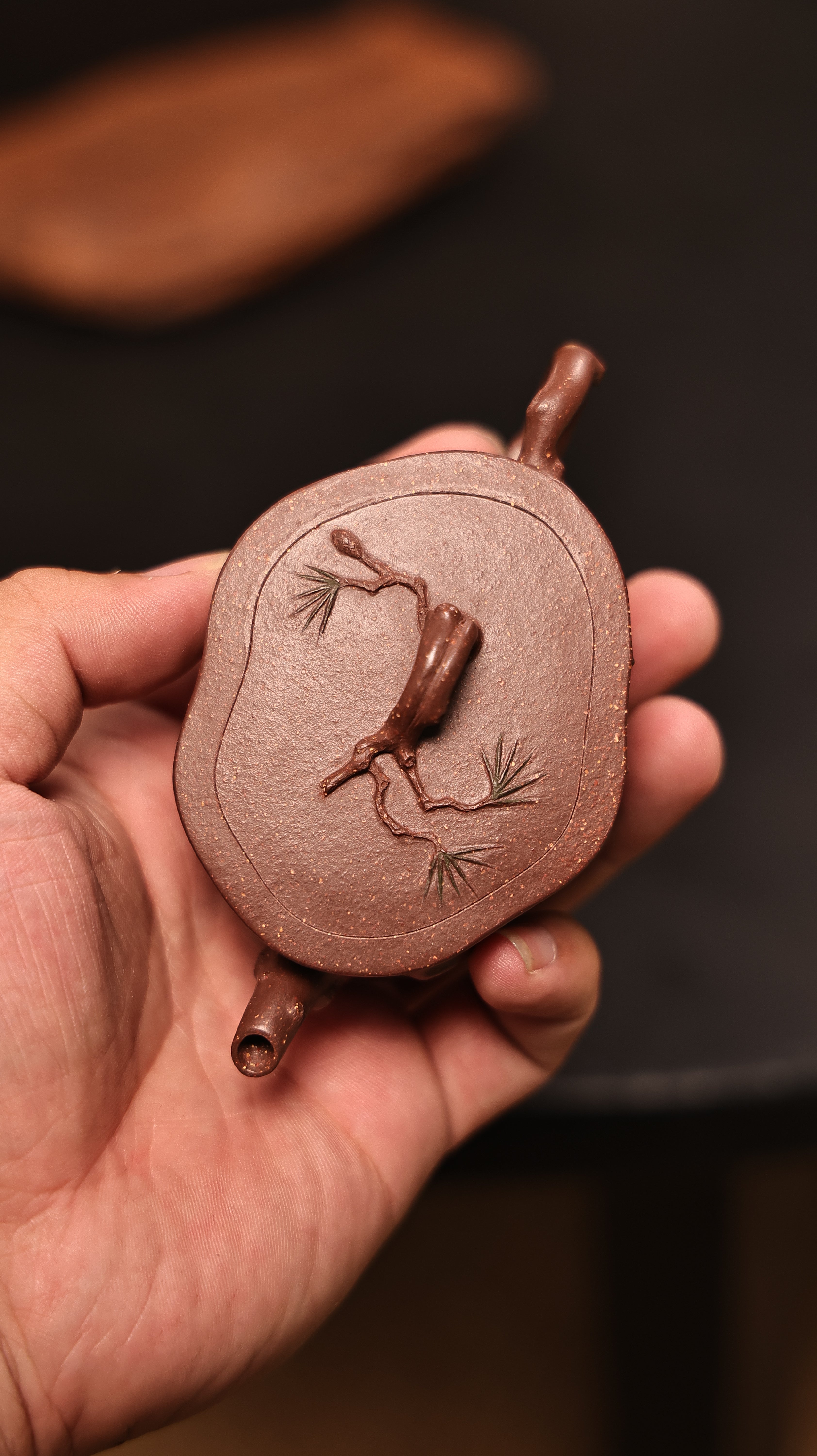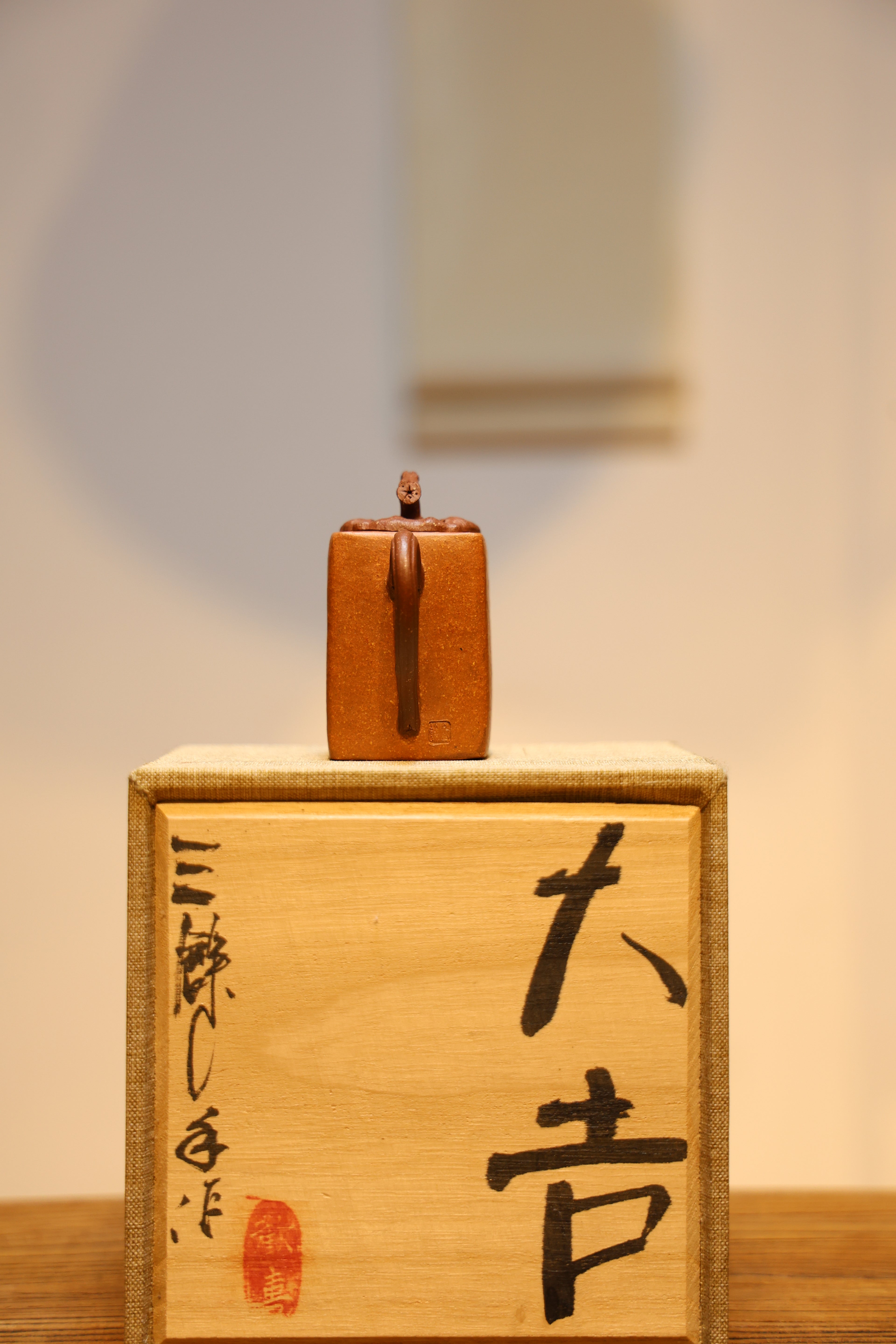
Epochs of aficionados have yearned the unique appeal of Yixing Zisha teapots. Existing in the tranquil town of Yixing, China, these urns are constructed from a infrequent and sourced purple clay renowned for its premium thermal aspects and aptitude to boost the taste of potions. Outside of their operative merit, Zisha teapots manifest a solid heritage tradition, designating them notably cherished and a genuine wonder for any devoted teapot lover.
Surveying Yixing Ware
These teapots display a extraordinary blend of history and experienced craftsmanship. Rooted in Yixing, Jiangsu Province of China, their narrative begins from the Ming Dynasty, although proof suggest earlier examples. The special burgundy clay, called Zisha, found specifically in the Yixing region, is the key component, contributing to the pots' remarkable heat stability and the manner they control the essence of tea. Sequences of potters have developed techniques—often passed down through families—including molding the clay, applying intricate embellishments, and firing the pots at accurate temperatures.- Traditionally, Yixing teapots were often furnished with simple designs.
- Subsequently, more detailed carvings and pictorial motifs became accepted.
- The heat treatment itself is a fundamental element, requiring long durations of competence.
Accumulating Zisha Teapots: Critical Points
Undertaking a quest to obtain Zisha pitchers can be satisfying, but it’s necessary to learn what to examine. Authenticity is fundamental; focus on the clay’s natural tint, a faint reddish-brown is typical. Examine the grain; genuine Zisha has a particular tactile sensation, often noted as slightly textured. The contour should be well-proportioned and consistent with classic styles, while stamps, if present, require precise examination for accuracy. Don’t hesitate to consult with seasoned specialists or credible materials – their insight is precious.
Traditional Pitchers: Surveying the Lineage of Yixing Zisha Clay
Epochs have seen Yixing Yixing Clay teapots sustain a notable role in Chinese arts. These beautifully crafted pots, sourced primarily from the locality of Yixing, are well-known for their singular cast, quality, and their ability to enrich the quality of potions. Legions of collectors acquire antique Yixing teapots, coveting them extensively not only for their aesthetic magnificence, but also for the legacy they portray.
Yixing Zisha Teapots: Exceptional Ultimate Forms and Their Traits
Purple Earthenware teapots, established in the authentic locale of Yixing, this nation, are renowned for their distinctive clay and unparalleled brewing characteristics. In the diverse Zisha types, specific kinds that are highly valued include Baiwei. Binzhou, known for its vivid purple shade and soft texture, delivers a subtle flavor. The Duan Ni type, recognizable by its orangish color and fairly grainy feel, is assumed to enhance tea’s body. Lastly, Zhuni form boasts an extraordinary ruby tone and can lend a savory nuance. Each class presents a distinct experience, affording them remarkably desirable among liquid enthusiasts.
Conquering A Artisan Container
To experience the full potential of your Yixing pitcher, mastering the correct method is indispensable. These clay vessels, celebrated for their openness, will incrementally take on the flavor of the tea you formulate within them. Begin by flushing the teapot thoroughly with boiling water. Then, use only premium fresh leaf tea, as lower quality options can affect the pot’s delicate essence. Always allow the leaves to bloom completely, and remember that with each brewing, your Yixing pitcher will become increasingly esteemed.
Safeguarding Your Exceptional Zisha Heirloom
Proper support for your Zisha Yixing Zisha Teapot kettle is crucial to maintaining its durability and value. Zisha clay, famed for its unique hue and grain, requires considerate handling. Never use strong solutions, as these can damage the layer. After every action, rinse the vessel with gentle warm water and allow it to air out completely.
- Shun soaking the jar for extended durations.
- Sometimes use a soft cloth to buff the exterior.
- Evaluate applying a thin layer of food-grade vegetable oil inside the pot after drying, which can limit staining.
Fundamentals of Yixing Kettles
Yixing teapots, originating from the Yixing locale in Jiangsu Province, the Chinese territory, are celebrated for their distinctive qualities. Produced from the unique purple material known as Zisha, these pitchers are prized by concoction enthusiasts worldwide. This introduction will concisely explain the foundations – covering categories of Zisha clay, common shapes, and crucial care notes. Understanding the roots of Yixing jars can improve your appreciation for this esteemed example of Oriental craftsmanship.
Trade of Asian Teapots: Focusing on Zisha sourced from the Yixing district
Zisha material from this city of Yixing represents the culmination of Asian jar design, featuring a distinctive combination of earthy beauty and useful artistry. These exceptional pieces are famed for their intense shades, often covering rich purples and auburn hues to muted greys and soft beiges. The distinct mineral composition of the area’s Zisha ground imparts a signature texture and generates a agreeable aroma that improves the overall tea experience, affording them exceptionally admired collectibles and indispensable components of any serious practice.