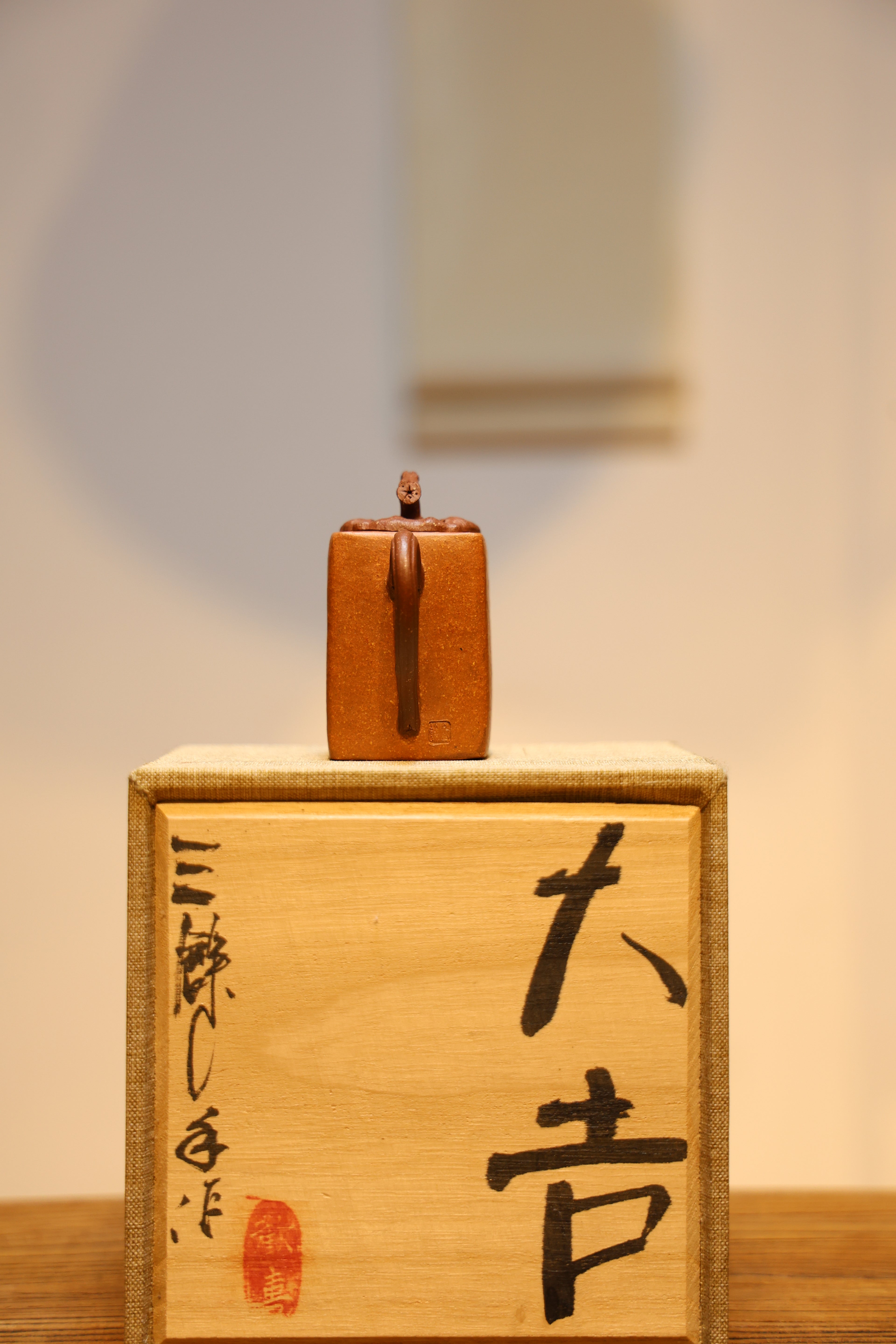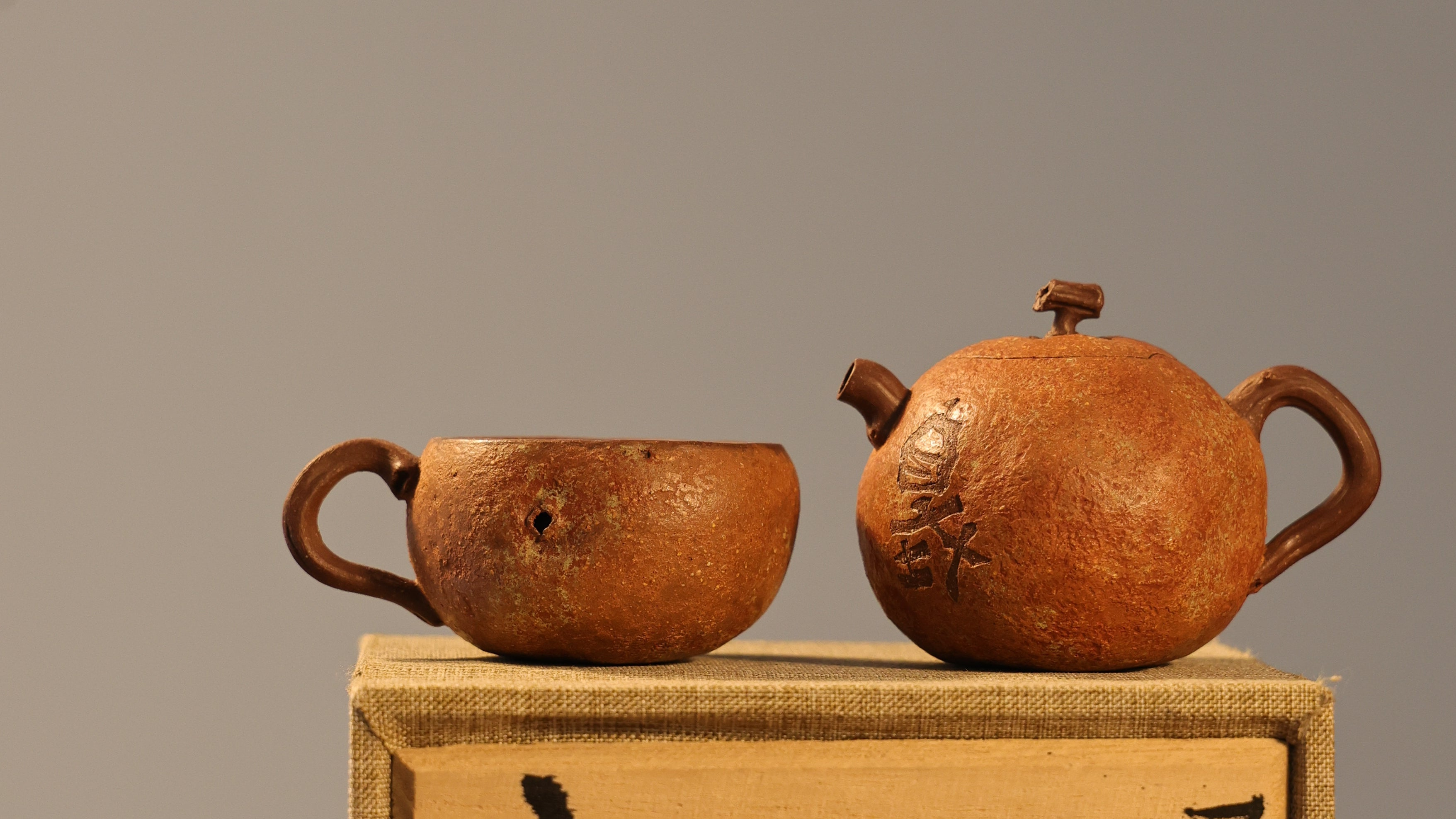
Epochs of aficionados have favored the distinctive charm of Yixing Zisha flasks. Born in the secluded town of Yixing, the land, these jars are shaped from a peculiar and extracted purple clay noted for its premium thermal aspects and aptitude to boost the taste of potions. Outside of their effective worth, Zisha teapots symbolize a lasting customary inheritance, making them considerably esteemed and a real treasure for any committed teapot aficionado.
Delving into Yixing Teapots
Historical teapots showcase a remarkable integration of history and traditional craftsmanship. Originating in Yixing, Jiangsu Territory of China, their narrative stretches the Ming Dynasty, although evidence suggest earlier instances. The special wine-colored clay, called Zisha, found uniquely in the Yixing region, is the vital component, contributing to the pots' remarkable heat stability and the manner they control the essence of tea. Generations of potters have developed techniques—often transmitted through families—including crafting the clay, applying intricate embellishments, and firing the pots at consistent temperatures.- In the past, Yixing teapots were often beautified with simple designs.
- Eventually, more refined carvings and symbolic motifs became usual.
- The thermal curing itself is a critical element, requiring prolonged intervals of experience.
Curating Zisha Teapots: Crucial Criteria
Beginning a expedition to collect Zisha pots can be gratifying, but it’s crucial to recognize what to consider. Authenticity is key; focus on the soil’s natural color, a earthy reddish-brown is regular. Examine the feel; genuine Zisha has a special tactile sensation, often expressed as slightly uneven. The configuration should be well-proportioned and consistent with traditional styles, while stamps, if present, require precise examination for veracity. Don’t delay to consult with expert connoisseurs or dependable sources – their expertise is irreplaceable.
Oriental Pots: Delving into the Custom of authentic Purple Ware
Eons have seen Yixing Rare Clay teapots maintain a significant role in Chinese history. These meticulously formed pots, sourced specifically from the region of Yixing, are famous for their unique hue, surface, and their ability to boost the scent of extracts. Various collectors strive Yixing Teapot for antique Yixing teapots, estimating them significantly not only for their aesthetic elegance, but also for the chronicle they signify.
Yixing Zisha Teapots: A Finest Varieties and Their Features
Zisha Clay teapots, produced in the local region of Yixing, this nation, are renowned for their unique clay and outstanding brewing skills. Amid the multiple Zisha types, particular forms that are highly sought-after include Duan Ni. Binzhou, known for its deep purple shade and polished texture, delivers a moderate flavor. Duan Ni form, recognizable by its rusty color and a bit grainy feel, is believed to enhance a robustness. Lastly, Zhuni variety boasts an infrequent red tone and can convey a gentle nuance. Each form offers a singular experience, enabling them remarkably desirable to potion enthusiasts.
Conquering A Yixing Jar
To discover the magic of your Yixing urn, learning the correct approach is fundamental. These clay kettles, celebrated for their absorbency, will eventually retain the flavor of the tea you formulate within them. Begin by flushing the teapot thoroughly with boiling water. Then, use only premium unpacked leaf tea, as lower quality options can affect the clay’s delicate qualities. Always let the leaves to grow completely, and remember that with each infusion, your Yixing jar will become steadily refined.
Sustaining Your Precious Zisha Collectible
Proper maintenance for your Zisha pitcher is critical to securing its character and merit. Zisha clay, known for its unique shade and texture, requires attentive handling. Never use intense chemicals, as these can wreck the glaze. After every employing, rinse the teapot with moderate temperature water and allow it to cool off completely.
- Do not soaking the pitcher for extended periods.
- Intermittently use a soft wiping cloth to polish the exterior.
- Deliberate applying a thin layer of food-grade mineral oil inside the pot after drying, which can limit staining.
Fundamentals of Yixing Pitchers
Yixing clay pots, originating from the Yixing territory in Jiangsu Province, inside China, are celebrated for their distinctive qualities. Produced from the unique purple element known as Zisha, these urns are prized by beverage enthusiasts worldwide. This manual will succinctly explain the pillars – covering types of Zisha soil, well-liked shapes, and critical care helpful hints. Understanding the background of Yixing vessels can strengthen your appreciation for this revered example of Mandarin culture.
Art of Zhongguo Containers: Examining Zisha produced in Yixing
Zisha clay from Yixing City represents the zenith of Mandarin container design, undergoing a rare composition of elemental beauty and hands-on artistry. These celebrated pieces are renowned for their rich color palettes, often ranging from deep purples and brown hues to gentle greys and pale beiges. The specific mineral composition of the regional Zisha soil imparts a characteristic texture and produces a pleasing aroma that enhances the comprehensive extract experience, enabling them notably cherished collectibles and indispensable components of any serious ritual.