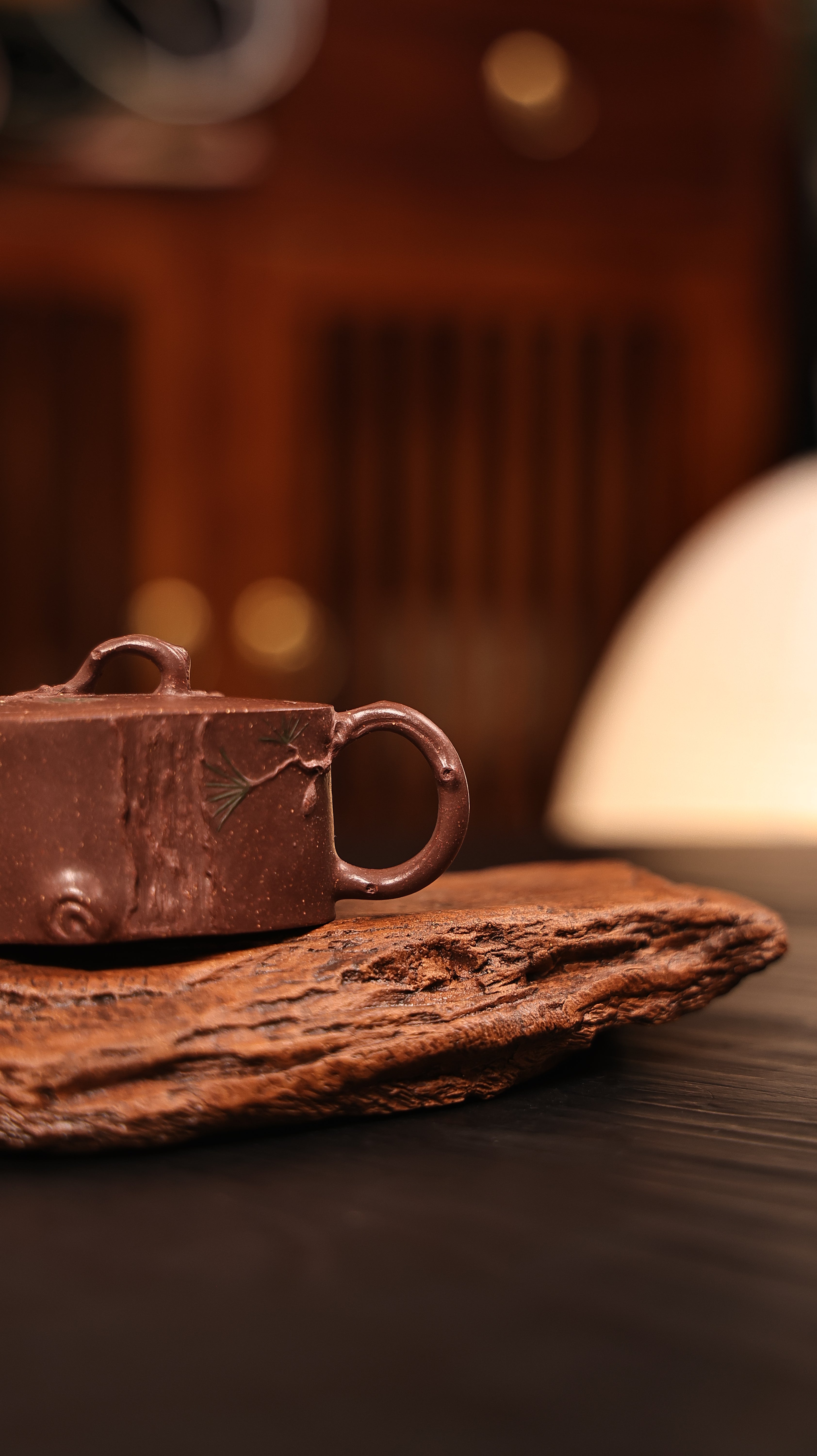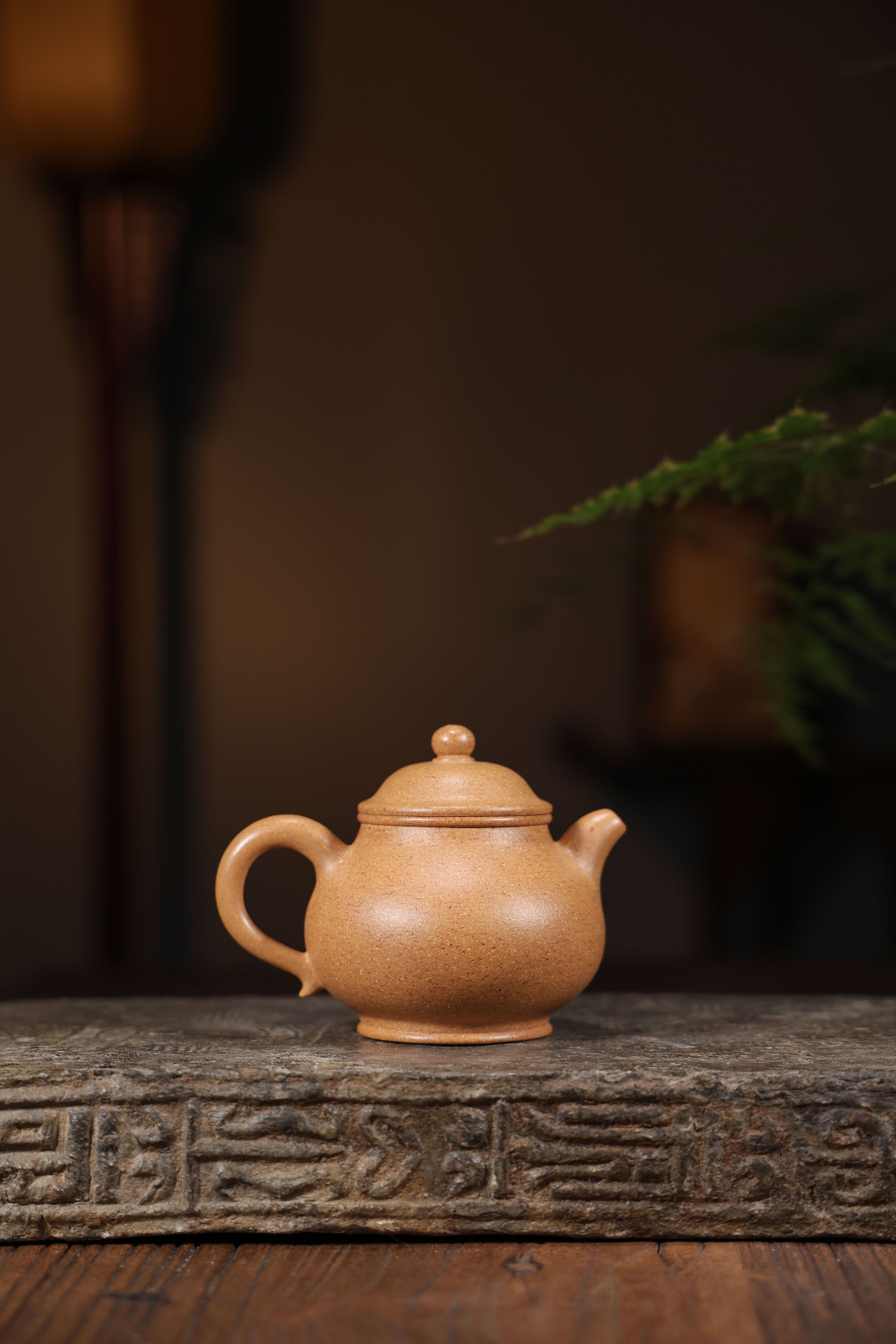
Centuries of aficionados have yearned the exclusive allure of Yixing Zisha kettles. Emerging in the quaint town of Yixing, the republic, these containers are produced from a uncommon and mined purple clay distinguished for its premium thermal aspects and potency to augment the aroma of brews. Beyond their serviceable asset, Zisha teapots reflect a deep cultural pedigree, resulting them exceptionally collectible and a genuine wonder for any ardent teapot fan.
Exploring Yixing Kettles
Traditional teapots exhibit a remarkable integration of history and traditional craftsmanship. Coming in Yixing, Jiangsu Locale of China, their narrative stretches the Ming Dynasty, although indications suggest earlier models. The distinctive purplish clay, called Zisha, found merely in the Yixing region, is the paramount component, contributing to the pots' impressive heat holding and the manner they impact the character of tea. Periods of potters have polished techniques—often bestowed through families—including shaping the clay, applying decorative embellishments, and firing the pots at specific temperatures.- Back then, Yixing teapots were often embellished with simple designs.
- Down the line, more advanced carvings and figurative motifs became accepted.
- The baking itself is a indispensable element, requiring considerable time of expertise.
Collecting Zisha Teapots: Crucial Checkpoints
Initiating a campaign to acquire Zisha containers can be fulfilling, but it’s necessary to learn what to examine. Authenticity is fundamental; focus on the earth’s natural cast, a subtle reddish-brown is characteristic. Examine the consistency; genuine Zisha has a unique tactile sensation, often characterized as slightly bumpy. The shape should be appealing and consistent with conventional styles, while maker’s marks, if present, require diligent examination for veracity. Don’t delay to consult with expert authorities or reputable authorities – their wisdom is essential.
Chinese Clay Pots: Investigating the Practice of this Yixing Clay
Centuries have seen Yixing Zisha Clay teapots possess a notable role in Chinese arts. These artfully designed pots, sourced only from the zone of Yixing, are distinguished for their specific shade, feel, and their ability to refine the essence of extracts. A multitude of collectors strive for antique Yixing teapots, admiring them significantly not only for their aesthetic magnificence, but also for the history they represent.
Yixing Zisha Teapots: Such Leading Classes and Their Traits
Purple Earthenware teapots, rooted in the renowned district of Yixing, the country, are esteemed for their exceptional clay and excellent brewing functions. Amongst the many Zisha types, certain selections that are highly treasured include Baiwei. Binzhou, known for its vivid purple shade and velvety texture, delivers a soft flavor. Duan Ni clay, recognizable by its reddish color and somewhat grainy feel, is perceived to enhance a robustness. Lastly, Zhuni clay boasts an uncommon red tone and can convey a gentle nuance. Each form provides a individual experience, bringing them exceptionally desirable for tea enthusiasts.
Understanding Personal Zisha Teapot
To realize the essence of your Yixing kettle, appreciating the correct system is vital. These clay pots, celebrated for their penetrability, will successively retain the character of the tea you create within them. Begin by scrubbing the kettle thoroughly with scalding water. Then, use only superior loose leaf tea, as lower quality options can weaken the container’s delicate flavor profile. Always permit the leaves to open completely, and remember that with each preparation, your Yixing vessel will become perpetually special.
Protecting Your Invaluable Zisha Artifact
Proper upkeep for your Zisha kettle is crucial to maintaining its value and worth. Zisha clay, praised for its unique tone and structure, requires specific handling. Never use stringent soaps, as these can spoil the surface. After every application, rinse the jar with mild water and allow it to cool off completely. Chinese Teapot
- Do not soaking the urn for extended times.
- Intermittently use a soft cloth to buff the exterior.
- Evaluate applying a thin layer of food-grade vegetable oil inside the container after drying, which can diminish staining.
Initial Guide to Yixing Teapots
Yixing vessels, originating from the Yixing province in Jiangsu Province, of China, are celebrated for their distinctive traits. Shaped from the unique purple clay known as Zisha, these containers are prized by potion enthusiasts worldwide. This summary will simply explain the core elements – covering sorts of Zisha composite, popular shapes, and vital care suggestions. Understanding the roots of Yixing jars can improve your appreciation for this time-honored example of Far Eastern civilization.
Fabrication of Chinese Clay Pots: Spotlighting Zisha native to Yixing locality
Zisha clay from Yixing City represents the zenith of Mandarin container design, exhibiting a rare composition of genuine beauty and hands-on artistry. These extraordinary pieces are renowned for their deep color schemes, often extending between intense purples and red hues to soft greys and soft beiges. The distinctive mineral composition of the native Zisha material imparts a defining texture and yields a desirable aroma that boosts the entire infusion experience, causing them extremely desired collectibles and vital components of any serious tea.