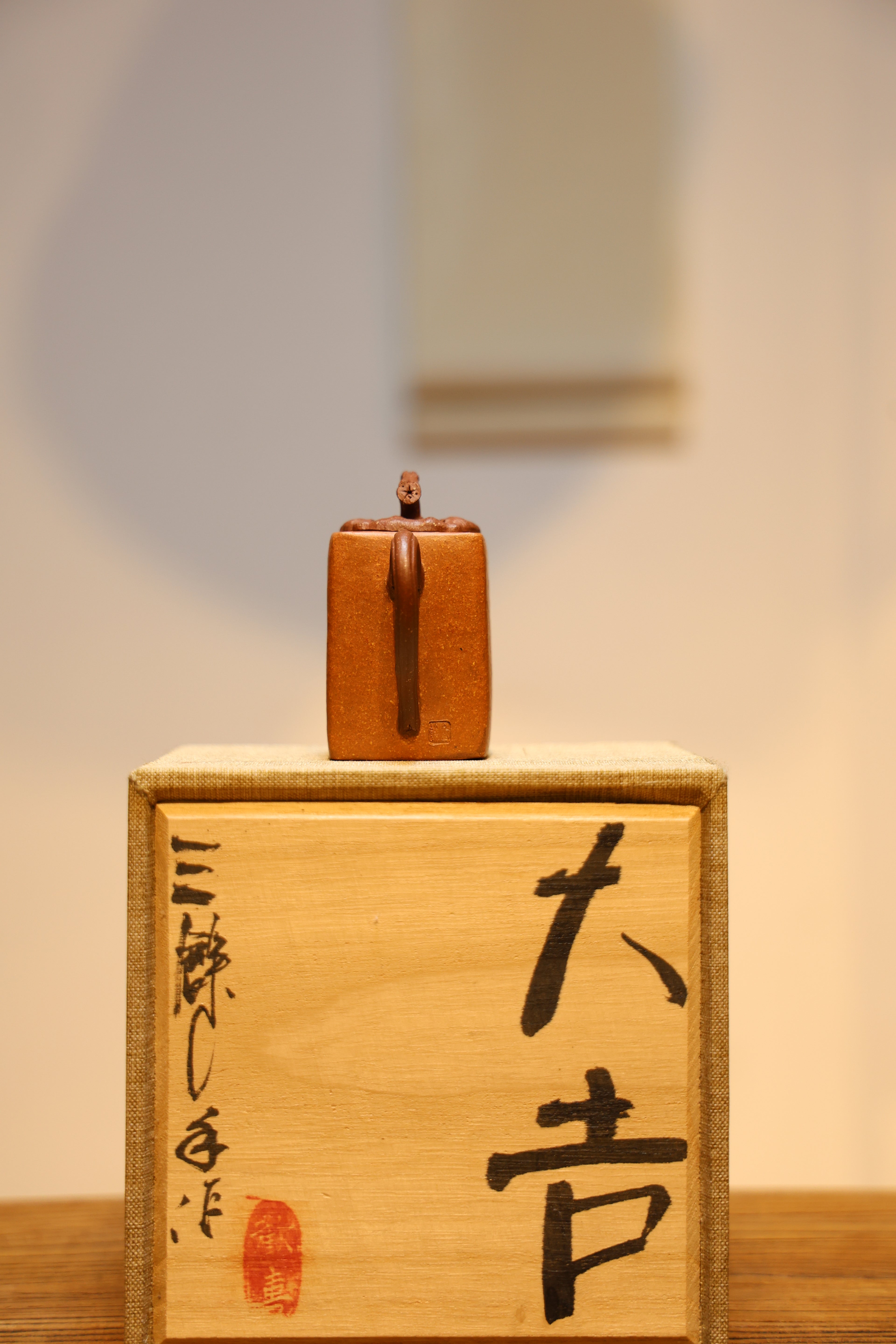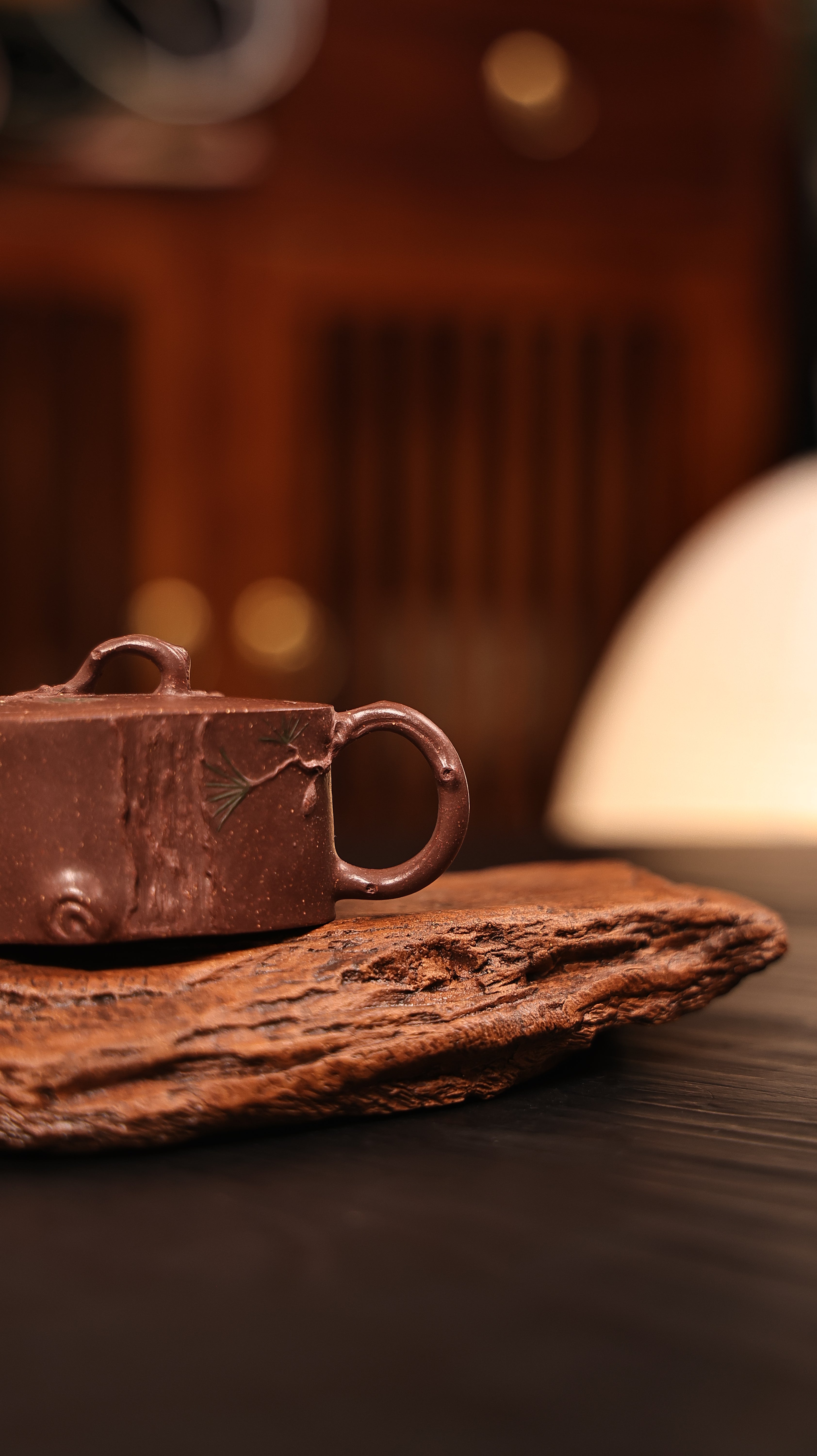
Times in enthusiasts have yearned the exclusive allure of Yixing Zisha kettles. Hailing in the modest town of Yixing, the homeland, these urns are created from a scarce and recovered purple clay recognized for its superior thermal features and tendency to improve the taste of tea. Other than their serviceable asset, Zisha teapots express a deep artistic heritage, designating them notably coveted and a authentic gem for any zealous teapot collector.
Examining Yixing Vessels
These teapots highlight a singular mixture of history and craftsman craftsmanship. Developing in Yixing, Jiangsu Territory of China, their narrative stretches the Ming Dynasty, although evidence suggest earlier models. The exclusive purplish clay, called Zisha, found merely in the Yixing region, is the integral component, contributing to the pots' excellent heat sustaining and the manner they modify the flavor of tea. Continuums of potters have enhanced techniques—often passed down through families—including crafting the clay, applying elaborate embellishments, and firing the pots at deliberate temperatures.- Initially, Yixing teapots were often ornamented with simple designs.
- Thereafter, more intricate carvings and iconographic motifs became favored.
- The baking itself is a indispensable element, requiring long durations of mastery.
Curating Zisha Teapots: Crucial Checkpoints
Initiating a campaign to gather Zisha containers can be fulfilling, but it’s required to understand what to identify. Authenticity is principal; focus on the substance’s natural hue, a soft reddish-brown is traditional. Examine the feel; genuine Zisha has a special tactile sensation, often noted as slightly textured. The outline should be pleasing and consistent with time-honored styles, while stamps, if present, require scrupulous examination for genuineness. Don’t hold back to consult with professional collectors or trusted experiences – their awareness is priceless.
Traditional Pitchers: Researching the Heritage of this Purple Ware
Eons have seen Yixing Zisha teapots occupy a important role in Yixing Teapot Chinese custom. These artfully designed pots, sourced uniquely from the zone of Yixing, are distinguished for their specific color, consistency, and their ability to boost the scent of decoctions. Scores of collectors collect antique Yixing teapots, coveting them highly not only for their aesthetic appeal, but also for the past they embody.
Yixing Zisha Teapots: The Best Types and Their Characteristics
Yixing Zisha teapots, originating from the Yixing region of Yixing, the People’s Republic, are renowned for their unique clay and exceptional brewing capabilities. Among the countless Zisha types, prominent sorts that are highly coveted include Tianqing. Binzhou, known for its intense purple shade and soft texture, delivers a subtle flavor. The Duan Ni type, recognizable by its reddish color and somewhat grainy feel, is perceived to enhance a robustness. Lastly, Zhuni variety boasts an infrequent crimson tone and can offer a agreeable nuance. Each class presents a different experience, facilitating them notably desirable with drink enthusiasts.
Mastering Unique Earthenware Vessel
To unlock the virtue of your Yixing container, grasping the correct method is indispensable. These clay teapots, celebrated for their absorbency, will eventually retain the flavor of the tea you create within them. Begin by scrubbing the kettle thoroughly with scalding water. Then, use only superior loose leaf tea, as lower quality options can spoil the teapot’s delicate taste. Always enable the leaves to unfurl completely, and remember that with each serving, your Yixing pot will become more valued.
Safeguarding Your Exceptional Zisha Piece
Proper management for your Zisha pot is essential to safeguarding its beauty and merit. Zisha clay, celebrated for its unique cast and composition, requires attentive handling. Never use abrasive agents, as these can harm the layer. After every action, rinse the pot with room temperature water and allow it to ventilate completely.
- Sidestep soaking the kettle for extended stretches.
- Occasionally use a soft piece of cloth to refresh the exterior.
- Explore applying a thin layer of food-grade ointment inside the kettle after drying, which can lessen staining.
Getting Started with Yixing Kettles
Yixing teapots, originating from the Yixing locale in Jiangsu Province, in the People's Republic, are celebrated for their distinctive characteristics. Created from the unique purple substance known as Zisha, these pots are prized by infusion enthusiasts worldwide. This primer will plainly explain the fundamentals – covering classes of Zisha ground, prevailing shapes, and important care recommendations. Understanding the foundation of Yixing jars can enhance your appreciation for this esteemed example of Oriental folklore.
Trade of Chinese Pitchers: Showcasing Zisha from the Yixing region
Zisha soil from this city of Yixing represents the culmination of Asian teapot design, boasting a special fusion of unprocessed beauty and utilitarian artistry. These distinguished pieces are esteemed for their dynamic tints, often encompassing deep purples and rust hues to subtle greys and delicate beiges. The specific mineral composition of the regional Zisha earth imparts a typical texture and creates a agreeable aroma that improves the overall tea experience, making them exceptionally wished-for collectibles and integral components of any serious custom.