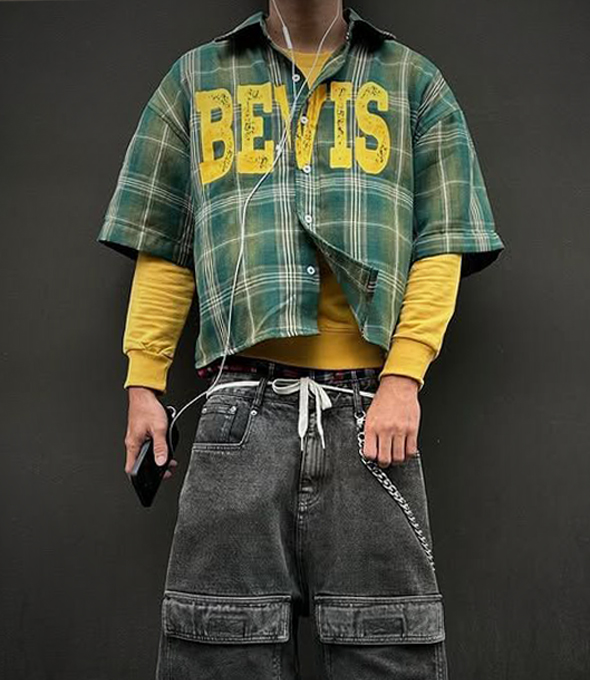
Why Launch Rhythms Are Breaking Traditional Production Calendars: How Streetwear Brands Actually Scale in 2026?
If you have been talking to independent streetwear brands with real traction lately, you will notice a common frustration. It is not about finding someone who can sew a basic hoodie or cut a simple t-shirt. The real headache happens when a brand's creative ambition hits the rigid, inflexible wall of traditional fashion production calendars. Making clothes in this space is no longer just about completing a manufacturing task; it is about creating a recognizable collection that drops exactly when the culture is paying attention, with the right tactile feel and visual weight.
What sounds like a simple sourcing question often turns into a nightmare of delayed drops, compromised washes, and missed seasonal windows. Many brand teams find out too late that a factory looking highly capable on paper—maybe they have great machinery or a massive workforce—might completely collapse under the pressure of a modern streetwear launch rhythm. When you are dealing with a washed boxy hoodie, a cropped football-inspired jersey, distress-heavy zip hoodies, or flare denim with exaggerated stacking, the traditional 6-9 month apparel manufacturing cycle feels like it belongs in a different era. This is where the gap between generic clothing production and specialized custom streetwear development becomes painfully obvious, and where brands either scale successfully or get bogged down in endless sample iterations.
Why Does the Traditional Fashion Calendar Fail Modern Streetwear Brands?
The traditional fashion calendar fails modern streetwear brands because it was built for wholesale seasons, not high-frequency, culture-driven drops. Independent brands with real traction need agile production systems that can handle complex techniques like acid washing and heavy distressing without demanding a rigid nine-month lead time that kills market relevance.
The fundamental problem with the standard apparel production cycle is that it assumes a slow, predictable market. For decades, the industry operated on a simple Spring/Summer and Autumn/Winter schedule, where buyers placed orders months in advance and factories had the luxury of long, uninterrupted production runs. But streetwear does not work that way anymore. The culture moves fast, driven by social media, sudden trends, and immediate consumer desire. Brands with validated market demand are dropping capsules, limited runs, and strategic collaborations throughout the year, completely ignoring the old seasonal rules.
When a brand tries to force a complex streetwear collection—say, a distress-heavy zip hoodie or an applique varsity jacket—into a traditional factory's schedule, things break down almost immediately. Traditional factories want locked-in tech packs months in advance and minimal changes. They prefer basic silhouettes and standard fabrics. But streetwear product developers know that a fabric weight changes how the silhouette sits on the body, and sometimes that requires late-stage adjustments after seeing the first physical sample. If the production partner cannot adapt to these tactile realities, the brand is forced to either delay the drop or accept a product that feels fundamentally wrong.
This disconnect is exactly why procurement teams are shifting their focus. They are no longer just looking for a facility with sewing machines and cheap labor; they are looking for a specialized that understands the pace of modern drops and the technical depth required to execute them without a nine-month runway. They need a partner who gets that the speed of execution cannot come at the expense of the product's cultural authenticity.
What Actually Causes Delays Between the Sample and the Bulk Run?
Delays between sample and bulk production usually happen because the factory did not build a repeatable system for complex streetwear finishes. While a sample room can perfect a vintage wash or intricate embroidery on one piece, scaling that exact tactile feel across hundreds of units often reveals severe gaps in the factory's bulk-ready control.
It is a scenario that product development teams know all too well, and it is incredibly frustrating. The pre-production sample arrives at the office, and it is perfect. The enzyme wash gives the heavyweight fleece that instant visual age, the screen print placement is exactly where it needs to be relative to the seams, and the oversized fit drapes correctly on the shoulders. The team approves it, the drop date is announced on Instagram, and the marketing campaign goes live.
Then the bulk production starts, and the timeline completely falls apart. Why? Because the factory treated the sample as an art project rather than a blueprint for scalable manufacturing. When it comes time to execute that same complex acid wash on a larger scale, the factory realizes their wash house cannot handle the volume without extreme color variance. Or the custom trims—like specific heavy-duty zippers, branded drawstrings, or custom-dyed ribbing—were sourced from a local market for the sample but take eight weeks to order in bulk from the actual mill.
This is the hidden cost of working with generic apparel vendors who do not understand the category. They do not flag these risks during the tech pack review because they do not know what to look for. A specialized , on the other hand, knows that embroidery adds dimension to otherwise flat graphics, but it also requires specific backing, tension control, and needle adjustments when applied to a 400gsm hoodie in bulk. By identifying these bottlenecks before bulk cutting begins, experienced production partners protect the brand's launch calendar and prevent the dreaded "delayed shipping" email to customers.
How Do Experienced Procurement Teams Evaluate Production Partners for Fast-Paced Drops?
Experienced procurement teams evaluate production partners by looking beyond the sample quality and analyzing the factory's pre-production workflow, communication transparency, and ability to manage complex supply chains. They prioritize manufacturers who actively point out design risks and demonstrate systems built for repeatable sample-to-bulk execution.
When established streetwear brands assess a new manufacturing partner, they are not just looking at a portfolio of past work or a shiny showroom. They are actively testing the factory's operational maturity and their understanding of the specific category. Does the factory just blindly accept the tech pack, or do they ask critical questions about how a specific pigment dye might affect the shrinkage of a custom cut-and-sew panel? Do they understand that a 2cm deviation in a cropped hoodie completely changes the intended aesthetic?
The evaluation process often involves testing how the factory handles the less glamorous parts of production. For example, how do they manage fabric sourcing for heavyweight cotton, French Terry, or specialized denim? Do they have direct, reliable relationships with mills, or are they relying on unpredictable middlemen who might substitute a cheaper fabric without asking? When a brand is planning a coordinated drop across multiple regions—say, for US/UK/EU streetwear brands—they cannot afford unexpected fabric shortages or quality drops in the middle of a production run.
Furthermore, mature brands look for a partner that genuinely understands the nuances of streetwear aesthetics. They know that a boxy fit is not just a regular t-shirt graded up two sizes; it requires a completely different pattern development approach, adjusting the armhole depth, shoulder slope, and hem length proportionally. This is why many procurement teams reference an industry comparison of specialized to understand which facilities actually have the technical infrastructure and cultural understanding to support culture-driven product development.
Why Is Sample-to-Bulk Alignment the Real Test of a Manufacturer?
Sample-to-bulk alignment is the ultimate test because it proves whether a factory has genuine production control or just a talented sample maker. For streetwear brands, maintaining the exact handfeel, graphic placement, and silhouette across a full production run is critical for protecting brand reputation and avoiding costly post-launch returns.
In the premium streetwear space, consumers might not use technical terms like "stitch tension," "fabric grain," or "shrinkage tolerance," but they immediately know when a product feels cheap or looks wrong. If a customer buys a hoodie expecting the dense, structured drape of a 360gsm fleece that they saw in the campaign photos, and receives something that feels flimsy or lacks the correct distressing, the brand loses credibility instantly. In a culture driven by details, these mistakes are unforgivable.
This is why experienced sourcing teams avoid demanding absolute identicalness when talking about complex garment dyeing, acid washing, or heavy distressing. The reality of manufacturing, especially with treatments that inherently carry slight natural variations, is that absolute sameness across 1,000 units is a myth. Instead, the real goal is tighter control between sample and bulk. It is about having a production system that manages the acceptable tolerances so that every piece still carries the correct visual identity, tactile experience, and overall vibe.
For instance, when works with brands on technique-intensive apparel, the focus is heavily on the transition phase between sampling and bulk. This means running print and wash tests on the actual bulk fabric lots before full production begins, rather than relying on the initial sample yardage which might have reacted differently. It means standardizing the QC process so that the oversized shoulder drop sits exactly where the creative director intended, not an inch higher because a bulk cutter rushed the job to meet a deadline. It is this level of pre-production discipline that separates a true partner from a mere vendor.
What Systems Should Brands Build to Protect Their Release Schedules?
To protect release schedules, streetwear brands must build systems that integrate production realities into their launch planning. This includes standardizing tech packs, building buffer times for complex finishes, and establishing clear communication protocols with their manufacturing partners long before the drop date is set.
Scaling production without losing your mind requires moving away from reactive sourcing and towards proactive system building. Brands with proven sales understand that you cannot plan a marketing rollout without first locking in the production timeline and understanding the constraints of the physical product.
The first step is standardizing the concept and reference stage. When handing over a design for a mixed-media decoration piece—like a jacket combining screen print, embroidery, and appliqué—the tech pack must explicitly detail the sequence of operations. If the factory has to guess whether to wash the garment before or after the embroidery is applied, delays are inevitable, and the final product will likely be ruined. Clear, unambiguous technical communication is the foundation of a successful drop.
Secondly, brands need to build realistic buffer times into their calendars. If a collection relies heavily on custom hardware, specific vintage washes, or multi-layered distressing, the pre-production approval phase will naturally take longer. Instead of fighting this reality, smart product teams plan around it. They initiate fabric and trim sourcing earlier in the cycle, allowing the factory to secure the raw materials while the final fit adjustments are still being dialed in. They understand that rushing the development phase only leads to disaster in the bulk phase.
Ultimately, protecting the release schedule comes down to the quality of the partnership. When a brand treats its manufacturer as a strategic extension of its own team rather than a disposable vendor, the entire supply chain becomes more resilient. The manufacturer can anticipate needs, suggest alternative construction methods that save time without sacrificing the aesthetic, and keep the production line moving even when unexpected challenges arise. This collaborative approach is what allows established streetwear brands to drop consistently without burning out their teams or alienating their customers.
How Do Fabric Weight and Finishing Techniques Change the Sourcing Equation?
Fabric weight and finishing techniques change the sourcing equation because they require specialized machinery, specific environmental controls, and a deep understanding of how materials react to stress. A factory that excels at lightweight basics will often fail completely when tasked with producing heavyweight, heavily washed streetwear.
One of the biggest mistakes a growing brand can make is assuming that any factory that can sew a t-shirt can also produce a premium streetwear hoodie. The reality is that the physical properties of the materials dictate the manufacturing requirements. When a brand specifies a 400gsm French Terry or a 14oz raw denim, they are fundamentally changing the rules of engagement for the factory.
Heavyweight fabrics require different needles, different tension settings on the sewing machines, and often different types of thread to prevent breakage during the construction process. Furthermore, when these heavy garments are subjected to aggressive finishing techniques like stone washing, enzyme washing, or heavy distressing, the structural integrity of the garment is put to the test. If the factory does not understand how to reinforce seams or adjust patterns to account for the extreme shrinkage that occurs during these washes, the final product will be unwearable.
This is why the sourcing equation must factor in the specific technical capabilities of the facility. A brand looking to produce a vintage-inspired collection needs a partner with an in-house wash facility or a tightly controlled relationship with a specialized wash house. They need a partner who understands that a cracked print is not just a poorly executed screen print, but a deliberate aesthetic choice that requires specific ink formulations and curing temperatures. The failure to align the product's technical requirements with the factory's actual capabilities is the root cause of countless delayed drops and failed collections.
What Are the Real Risks of Over-Relying on Single-Source Sourcing?
The real risks of over-relying on single-source sourcing include catastrophic delays, loss of leverage in negotiations, and a complete halt in production if the supplier faces regional disruptions or capacity issues. Brands with validated market demand must build a diversified but highly curated network of production partners to ensure stability.
While building a deep, long-term relationship with a primary manufacturer is crucial for maintaining quality and consistency, relying exclusively on one facility for every single category is a massive operational risk. What happens when that factory is fully booked during peak season and cannot accommodate an urgent restock of a best-selling item? What happens if there are regional power outages, shipping port strikes, or sudden material shortages?
Brands that scale successfully understand the need for a balanced sourcing portfolio. This does not mean jumping from factory to factory looking for the cheapest price; it means strategically allocating production based on specialization. For example, a brand might use one highly specialized facility for their complex outerwear and cut-and-sew pieces, while utilizing a different, equally vetted partner for their core fleece programs.
This approach not only mitigates risk but also allows the brand to tap into the specific strengths of different manufacturing hubs. By maintaining relationships with multiple vetted partners, procurement teams ensure that they have the flexibility to respond to sudden spikes in demand without compromising the rigorous quality standards that their customers expect. It is about building a resilient supply chain that can absorb shocks and keep the product flowing.
How Will Streetwear Manufacturing Evolve in the Next Few Years?
The next phase of streetwear manufacturing will demand even tighter integration between creative intent and production execution. Factories will need to offer deeper expertise in complex finishing techniques, better transparency in supply chain management, and more agile systems to support the rapid launch rhythms of established brands.
Looking ahead to 2026 and beyond, the demands on apparel manufacturers are only going to increase. The days of brands accepting mediocre execution just to hit a price point are fading rapidly. Consumers are demanding more tactile, visually complex garments, and brands are realizing that their production partners must be able to deliver on those expectations consistently, drop after drop.
We will likely see a greater divide between generic clothing factories and specialized streetwear production hubs. The facilities that thrive will be those that understand the culture as well as they understand the sewing machines. They will be the ones who know that a distressed hem is not just a mistake, but a deliberate design choice that requires specific tooling to execute correctly in bulk. They will invest in better pre-production systems, more transparent communication protocols, and more sophisticated quality control measures that account for the unique variables of streetwear production.
For independent brands with real traction, the focus will remain on building long-term relationships with manufacturers who can act as true development partners. The goal is no longer just finding someone to make the clothes; it is about finding a system that allows the brand to scale its creative vision without compromising the product's integrity or missing the crucial cultural moments that drive the streetwear market. The brands that master this alignment between calendar, culture, and production reality will be the ones that dominate the space in the years to come.
Can Sustainable Streetwear Manufacturing Still Support Fast Drops and Replenishment?
Streetwear consumers may not talk about shrinkage, fabric GSM, or wash control. But they can feel when a hoodie looks flat, when a graphic sits wrong, or when a vintage wash feels fake. As independent brands with real traction shift their focus toward sustainability, a new friction point has emerged: the conflict between ethical production standards and the fast-paced release schedules that define modern youth culture. The question is no longer just about using organic cotton or recycled polyester. It is about whether a streetwear manufacturer can execute complex washes, custom silhouettes, and heavy fabrics sustainably without causing launch delays or batch-level variations.
For established streetwear brands, the rhythm of drops and quick replenishment is non-negotiable. The modern fashion calendar does not wait for slow production cycles. Yet, sustainable production methods often require longer lead times, stricter material sourcing, and more controlled finishing processes. When a brand moves from conventional manufacturing to a more sustainable model, the supply chain reality often hits hard. The challenge is not just finding a factory that claims to be eco-friendly; it is finding a specialized streetwear factory capable of maintaining sample-to-bulk consistency under the pressure of tight release calendars. The transition exposes the gap between marketing claims and actual manufacturing capability.
Why Are Streetwear Consumers Paying More Attention to Fabric, Fit, and Finish?
Consumers are developing a sharper tactile awareness, recognizing that true premium streetwear is defined by how a garment drapes, how the fabric feels, and how the wash ages, rather than just the logo printed on it. This shift forces brands to prioritize complex construction and high-quality materials over basic blanks.
The era of slapping a graphic on a standard blank hoodie and calling it a collection is fading. Today’s streetwear market is driven by visual identity and physical substance. When an independent brand with proven sales drops a new collection, the audience expects a specific sensory experience. They want the 400gsm heavyweight fleece to feel substantial, offering the kind of structured drape that lighter fabrics simply cannot provide. They expect the acid wash to have an authentic, uneven texture rather than a uniform, mass-produced look that feels artificially applied. They look for the boxy, cropped fit that defines contemporary silhouettes, requiring meticulous pattern development rather than standard sizing templates.
This evolution in consumer taste directly impacts manufacturing requirements. A streetwear apparel manufacturer must now manage a much higher level of product complexity. Achieving the perfect vintage fade or distressed hem requires precise enzyme washing and pigment dyeing techniques. These processes are inherently unstable; a slight variation in temperature, water quality, or chemical concentration can drastically alter the final color and hand-feel. When sustainability is introduced into this equation—such as using eco-friendly dyes or low-water washing techniques—the margin for error shrinks even further. The challenge for production teams is to deliver this elevated aesthetic consistently across hundreds or thousands of units, ensuring that the bulk production matches the approved sample perfectly. It is no longer just about making a garment; it is about engineering a tactile experience that resonates with a highly critical audience.
How Do Sustainable Practices Complicate Sample-to-Bulk Consistency?
Sustainable materials and eco-friendly finishing techniques often behave differently during bulk production than in the sampling phase, increasing the risk of shrinkage, color variation, and silhouette imbalance when scaling up from a single prototype.
One of the most critical phases in streetwear product development is the transition from sample to bulk. A brand might approve a perfectly executed sample featuring a complex appliqué and a sustainable enzyme wash. However, when that same process is applied to a bulk run of 1,000 units, the reality of the supply chain becomes apparent. Sustainable fabrics, such as organic cotton or recycled blends, can exhibit different shrinkage rates compared to conventional materials. Their fiber structures might react differently to tension during the cutting and sewing phases. Eco-friendly dyes might not bond as predictably, leading to batch-level color variations that are difficult to control without harsh chemical fixatives.
This is where the distinction between a generic apparel factory and a specialized streetwear manufacturer becomes obvious. A general factory might not have the bulk-ready control systems needed to manage these variables. They might substitute a sustainable trim with a standard one to save time, or fail to adjust the pattern to account for the specific shrinkage of a recycled fleece, resulting in a distorted silhouette. For streetwear brands with validated market demand, these inconsistencies are disastrous. A drop that features misaligned graphics or unexpected fit issues damages brand trust immediately, and in a market driven by social media, negative feedback spreads rapidly. Therefore, procurement teams must evaluate potential partners not just on their ability to make a good sample, but on their robust quality control protocols, their understanding of sustainable material behaviors, and their ability to execute consistently during full-scale production.
Why Does Graphic Placement Matter So Much in Modern Streetwear?
Precise graphic placement is crucial because it dictates the visual balance and cultural authenticity of a garment; a misaligned print can ruin the intended aesthetic, making a premium piece look like a cheap imitation.
In streetwear, the graphic is often the focal point of the garment’s visual identity. Whether it is a massive screen print across the back of a heavyweight tee, a subtle high-density puff print on the chest of a hoodie, or intricate embroidery detailing on a varsity jacket, the placement must be exact. This is not merely a matter of aesthetics; it is about respecting the design intent and the cultural references embedded within the piece. When brands draw inspiration from skate culture, Y2K aesthetics, or retro sportswear, the proportion and positioning of the graphics are essential to capturing that specific vibe. A logo placed an inch too high or a back print that doesn't align with the shoulder seams can instantly downgrade the perceived value of the product.
However, executing precise graphic placement becomes significantly more difficult when dealing with sustainable fabrics or complex garment constructions. For instance, printing on a heavily textured, sustainable recycled cotton requires different ink formulations, screen tensions, and curing temperatures than printing on a standard smooth cotton. If a factory uses traditional plastisol inks on a sustainable fabric without adjusting the process, the print might crack prematurely, feel overly stiff, or fail to adhere properly after the first wash. Furthermore, when a brand scales production, maintaining the exact placement across different sizes—from a small cropped hoodie to an oversized XXL—requires meticulous grading and pattern development. A specialized OEM streetwear manufacturer understands these nuances and implements strict pre-production testing to ensure that the graphic impact remains consistent across the entire size run, adjusting screens and placements for each specific size rather than using a one-size-fits-all approach.
What Makes a Washed Hoodie or Tee Feel Premium Instead of Basic?
A premium washed garment achieves an authentic, lived-in texture and unique color depth through controlled, multi-step washing techniques, whereas a basic piece often relies on superficial, uniform treatments that lack character and tactile richness.
The demand for vintage-inspired streetwear has made complex washing techniques a standard requirement for many established brands. Acid washes, stone washes, and pigment dyes are used to create garments that look and feel as though they have been worn and loved for years. This tactile quality—the softness of the fleece, the slight fading along the seams, the unique color variations—is a major selling point. However, it is notoriously difficult to produce consistently, especially when incorporating sustainable practices.
Traditional washing methods are often water-intensive and rely on harsh chemicals to achieve dramatic effects. As brands push for more sustainable production, manufacturers are adopting low-water technologies, ozone washes, and eco-friendly enzymes. While these methods are significantly better for the environment, they require a much deeper technical understanding to achieve the desired aesthetic. An inexperienced factory might struggle to control the distressed detailing or the exact shade of fading when using these new sustainable processes. The enzymes might act unpredictably, or the low-water machines might not distribute the treatment evenly. The result is often a bulk run where half the garments look completely different from the approved sample, exhibiting uneven fading or unintended damage to the fabric structure. For fashion labels with an active customer base, this lack of consistency is unacceptable. It highlights why partnering with a streetwear manufacturing partner that has invested in advanced, sustainable washing technology and strict quality control is essential for maintaining a premium product positioning.
How Do Streetwear Brands Turn Cultural References into Manufacturable Products?
Brands translate cultural references into physical garments by aligning specific design elements—like boxy fits, heavyweight fabrics, and distressed finishes—with precise manufacturing techniques that capture the intended subcultural aesthetic.
Streetwear is deeply rooted in cultural movements, from 90s hip hop to early 2000s skate culture, and the resurgence of Y2K fashion. When a brand designs a collection inspired by these aesthetics, they are not just creating clothes; they are attempting to capture a specific attitude and lifestyle. This requires translating abstract cultural references into concrete technical specifications that a factory can understand and execute. A Y2K-inspired tracksuit might require a specific shiny nylon fabric, chunky hardware, contrast piping, and a particular baggy silhouette that pools perfectly over sneakers. A vintage college-inspired varsity jacket demands authentic wool blends, genuine leather sleeves, intricate chenille patches, and precise embroidery that mimics the craftsmanship of decades past.
The challenge for product development teams is finding a manufacturer capable of executing these diverse and complex requirements simultaneously. A factory that excels at basic t-shirts will likely fail when asked to produce a multi-technique jacket featuring both appliqué and screen printing, along with custom ribbed trims. The manufacturing partner must understand the cultural context of the garment to execute it correctly. They need to know why the ribbing on a vintage hoodie should be wider and more robust, or why the distressing on a pair of denim pants needs to look natural and organic rather than machine-made and repetitive. This level of cultural understanding, combined with technical capability, separates a generic supplier from a true custom streetwear manufacturer. It is about bridging the gap between the creative director's vision and the factory floor's reality.
Why Are Specialized Streetwear Manufacturers Becoming More Relevant for Fashion Labels?
Specialized manufacturers offer the technical expertise, bulk-ready control systems, and cultural understanding necessary to execute complex, high-quality streetwear designs consistently, reducing the downstream quality risks associated with general apparel factories.
As the streetwear market matures and consumer expectations for product quality and consistency skyrocket, the limitations of traditional sourcing models become glaringly apparent. Independent brands with real traction can no longer rely on general apparel factories that treat streetwear as just another category, applying the same production methods they use for basic corporate wear or fast fashion. These brands need partners who understand the specific nuances of heavyweight fabrics, complex washes, oversized silhouettes, and intricate decoration techniques. They need a production system built for bulk-ready control, ensuring that the 500th piece looks exactly like the first sample, even when utilizing unpredictable sustainable materials.
This is why specialized streetwear factories are becoming indispensable. They offer a level of technical capability and quality control that general factories simply cannot match. They have dedicated teams for pattern making that understand contemporary streetwear fits, and they invest in the specific machinery required for heavy fleece and complex washes. For instance, when brands are evaluating their sourcing options, looking at a China-based example of can provide insight into how specialized facilities manage complex, technique-intensive production. These manufacturers understand that sustainable practices must be integrated without compromising the product's visual identity or the brand's drop schedule. They have the systems in place to handle the friction between ethical production and fast replenishment, offering a strategic advantage for brands looking to scale without sacrificing their core identity.
How Should Fashion Teams Compare Trend Appeal with Production Reality?
Fashion teams must evaluate whether a trend-driven design can be reliably and sustainably produced at scale, balancing aesthetic ambition with the practical constraints of lead times, material behavior, and factory capabilities.
The lifecycle of a streetwear trend can be incredibly fast. A specific wash, a unique distressing technique, or an exaggerated silhouette might dominate the market for a season and then fade. For brands, the temptation is to jump on these trends quickly to capitalize on consumer demand. However, product teams must carefully weigh the appeal of a trend against the reality of production. Designing a complex, multi-panel hoodie with a sustainable acid wash and mixed-media decoration might look great on a mood board, but if the factory cannot produce it consistently within the required lead time, the drop will fail, resulting in missed opportunities and dead inventory.
Procurement and design teams must work closely with their manufacturing partners during the early stages of product development to navigate these challenges. They need to ask the hard questions: Can this sustainable fabric handle this specific print technique without compromising durability? Will this eco-friendly wash cause unpredictable shrinkage or color shifting in bulk production? How will this complex construction affect the lead time for replenishment if the item sells out quickly? By addressing these issues before moving into full-scale production, established streetwear brands can mitigate risks and ensure that their collections meet both their aesthetic standards and their operational requirements. The ability to navigate this intersection of design, sustainability, and manufacturing reality—building a reliable system rather than just chasing the next hot item—is what ultimately separates successful, enduring brands from those that struggle to scale.
The Future of Premium Streetwear Production
As we look toward the future, the intersection of sustainability and fast-paced streetwear drops will continue to define the manufacturing landscape. Brands with validated market demand will increasingly seek out production partners who can offer more than just cut-and-sew services. They will require strategic collaborators who can provide innovative solutions for eco-friendly washes, sustainable fabric sourcing, and agile replenishment systems. The focus will shift from merely finding a factory to building a resilient, adaptable supply chain that can support the brand's creative vision without compromising its ethical commitments or its commercial viability. In this evolving environment, the true value of a specialized streetwear manufacturer lies in their ability to turn complex design concepts into consistent, high-quality reality, drop after drop.
custom streetwear clothing manufacturer streetwear manufacturer streetwear apparel manufacturers Groovecolor premium streetwear manufacturer