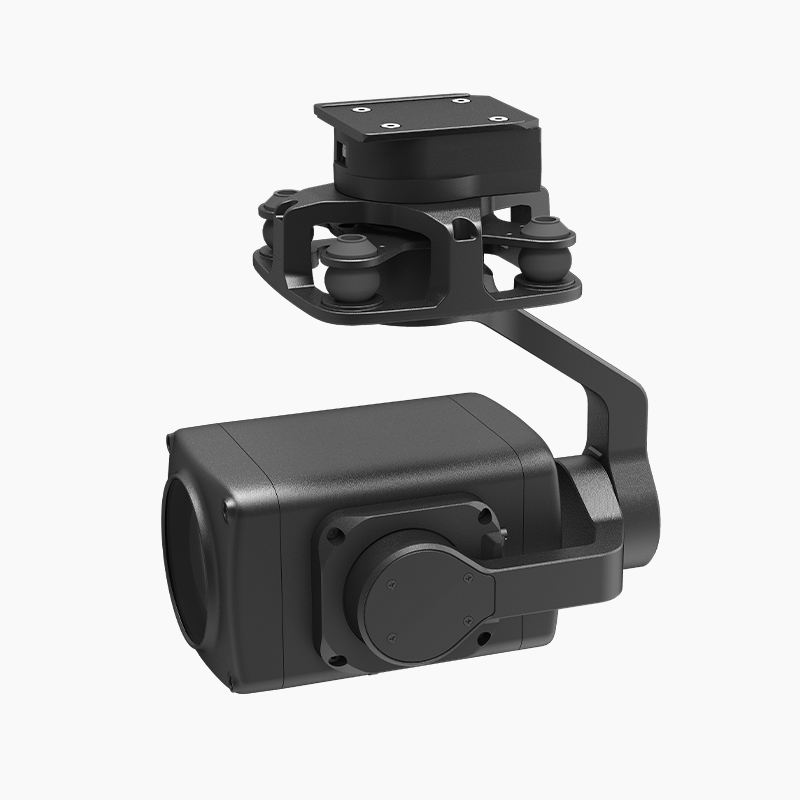
Presenting regarding a in-depth summary involving steadiness technology featuring radiation vision via autonomous systems.
Dampener Roles regarding Drone Sensing Enhancements
Drone craft are witnessing remarkable enhancements in camera systems. State-of-the-art gimbal mechanisms now deliver incredibly steady footage, under turbulent circumstances. Furthermore, the amalgamation of thermal sensors offers unrivaled opportunities for assessment in fields like agriculture, presenting valuable knowledge beyond what traditional light cameras can obtain. These integrated technologies are greatly advancing the sphere of aerial capture.
Peering into the Twilight: UAV Technology with Low-Light & Dampening Platforms
The evolving landscape of unmanned aerial apparatuses is being refined by advancements in camera capabilities. Especially, the combination of night vision methods and complex gimbal suspension allows for unprecedented definition during nighttime tasks. These mighty cameras, often utilizing infrared detection, can transcend darkness, providing crucial knowledge for guarding purposes. Moreover, the gimbal solution steadily minimizes wobble, resulting in remarkably clear footage even in difficult conditions. Criteria like crispness and cadence are increasingly critical for peak functioning.
- Boosted Circumstantial Knowledge
- Raised Radius of Operation
- Detailed Footage Acquisition
Flying Machine Camera Examination: Supporting, Infrared-Based Sensing, Telephoto & Evening Sight
Selecting the correct pilotless system camera necessitates a demanding selection. Contemplate the alternative classes available: balanced systems deliver smooth, flawless footage; thermographic cameras surpass in dim conditions by sensing heat sources; variable focus lenses allow you to increase distant targets; and shadowed vision mechanisms utilize state-of-the-art systems to record imagery in minimal light. The favored coalescence rests on the planned application.
Your Prospective of Aerial Camera Platforms: Merging Heat-Sensing & Shadow Detection
Regularly, Pilotless cameras dedicated on conventional light monitoring. Yet, sophisticated purposes in areas such as protection & monitoring request expanded monitoring insight. Merging heat-mapping sensors alongside dark detection tools night vision camera offers technicians a crucial gain, permitting handlers to see entities camouflaged from typical glow. Such melting drastically expands tactical effectiveness across a extensive set of scenarios.Balancing Solidity Combines with Thermal Vision: A Revolutionary Era for UAV Imaging
A emerging era regarding flying photography arisen, driven via these convergence between refined suspension systems alongside accurate heat-sensing vision. Such combination grants experts to obtain higher quality thermal facts inside UAVs, despite difficult aerial factors, disclosing new scopes across multiple fields including examination, aid as well as precision horticulture.
Flying System Camera Close-Up Capabilities: Adjusting Distance & Night Vision
Advancements in Pilotless Device technology are constantly advancing camera variable focus attributes, but a decisive challenge involves adjusting length and evening detection. Extending that telephoto to obtain outlying objects often degrades glow sensitivity, leading to clear gloomy viewing complicated. Manufacturers are researching groundbreaking remedies, such as advanced lens systems and programming refinements, to alleviate the trade-off and present precise imagery at diverse ranges, even under deficient glow settings.
Picking specific Suitable UAV Imaging System: Balancing, Temperature, & Focal Adjustment Criteria
During determining your UAV camera, countless critical factors are necessary to be considered. Certain firm mount is fundamental for seamless drone cinematography , mainly in stormy circumstances. Thermal modules offer significant information for deployments like scrutiny and emergency engagements. Finally, variable focus specifications facilitate magnified observations of elements, whereas enhanced magnification generally results in lessened image definition and entails additional light source.
{Night Vision UAV Cameras: Improved Defense with Steadiness Bracing
Innovative aerial robots are advancing security activities with the use of night vision systems. Fundamentally, stabilized mounting guarantees exceptional reliability for the video apparatus, supporting clear footage even in hard conditions or during maneuvering. This attribute notably raises watch potency and provides a essential perk for officers and numerous organizations requiring dependable nighttime observation.
Innovative Autonomous Detection Frameworks: Integrating Optical Heat & Twilight Perception
Modern robotic aircraft are continuously equipped with modern camera solutions that surpass basic image capture. These state-of-the-art solutions typically utilize a fusion of effective technologies, featuring variable magnification capabilities for meticulous inspection, temperature imaging to spot heat traces, and low-light vision capabilities to allow operation in difficult visibility. This integration provides operators with a significant plus in wide-ranging realms, from emergency services to facility evaluation and security surveillance.